Hiram Green
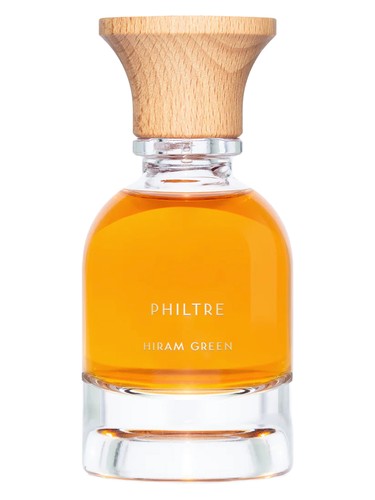
Philtre
Seu armário
Entre para dizer que você tem, já testou ou quer este perfume. Suas marcações ficam privadas por padrão.
Criar conta é grátis e leva menos de um minuto.
Acordes dominantes
- especiado quente
- floral
- floral branco
- verde
- especiado fresco
- rosa
Pirâmide olfativa
Como ele se comporta
Fixação, projeção e ocasião — votos da comunidade internacional somados aos daqui.
Gênero
19 votos
Quando usar
- Inverno: 15 votos
- Primavera: 14 votos
- Verão: 7 votos
- Outono: 18 votos
- Dia: 14 votos
- Noite: 13 votos
Onde encontrar
Nenhum decant à venda nem vaquinha aberta agora. Marque Quero ali em cima — é o interesse da comunidade que puxa a próxima vaquinha.
Ver vaquinhas abertasQuem gosta deste também gosta
Perfumes próximos no gosto de quem curte este — bons candidatos para o próximo decant.
Impressões da comunidade internacional
Traduções chegam aos poucos — textos em inglês por enquanto.
- em inglês
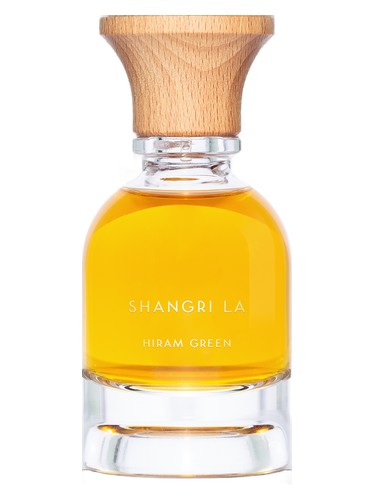
Philtre opens with a lovely familiar chord from classic perfume – rounded, resinous, liquored, warm-spicy. Think Youth-Dew, maybe? It gets spicier by the second and I love it more and more. It’s not much like other carnation perfumes (the classic dusty-creamy Bellodgia or its streamlined modern equivalent Vitriol D'Oeillet). Carnation-centric perfumes are often a dusty, terra-cotta hue, spicy with the cloves-like scent of eugenol but far softer and tamer than actual spices. Philtre is much deeper and richer, more like an actual noseful of whole cloves, yet smoothed and polished with mellow resins and a subtle, rose-inflected floral aura. It really feels like classic perfumery, only simpler and more vivid. Nothing is musty or dusty; it’s all warm rosy-brown glow. Everybody always remarks on how Hiram Green pulls off “all-natural” perfumes that do things natural plant extracts shouldn’t be able to. All-natural scents tend to be heavy and brick-like, since air and polish come from synthetics. But Hiram Green’s perfumes aren’t typical indie perfumery – they’re smooth, refined throwbacks to the Belle Epoque era of perfumery, the time of Caron and Guerlain, which was characterized by the invention of the first artificial aromachemicals to blend with natural extracts. How does Hiram Green do it? By rules-lawyering! An aromachemical produced by genetically engineered yeast is technically “natural” since it comes from an organism. It’s a stupidly expensive way to produce something you could have just made in a lab, but it allows you to call your perfume “all natural” while including the whole range of the perfumer’s pallette. It’s not magic; it’s microbes! Anyhow, however they made it, Philtre smells amazing. It overlaps a lot with Shangri-La (another warm spiced Hiram Green floral) only Shangri-La has a mellow peach note reminiscent of Mitsuoko, while Philtre is more intensely spicy. They’re all fantastic.
- em inglês
For Hiram Green to possess the alchemy to create this philtre out of purely natural ingredients is nothing short of a phenomenon. The carnation accord in perfume, one of my favorites of them all, is one that confounds noses in the 21st century, mostly because the idea of scented carnations is lost on modernity. There are so few Malmaison carnation varieties that still exist today, and a rare few have the opportunity of encountering them. Looking more like ruffled roses, these flowers, cultivated from the tree carnation, were the most fragrant of the dianthus family, and were all the rage in the Belle epoque of the late 19th-early 20th century. They, and the beloved Sweet William, were inspirations for the legendary "oeillet" accord that would come to prominence in perfumery through classics such as Caron Bellodgia, Coty L'Origan, and later in its resurgence with YSL Opium and Estee Lauder Cinnabar. In Green's Philtre, we have an arguably imposing return to form when it comes to carnation, but I find it absolutely staggering in its beauty. It's bold yet limpid, with studied outlines of snapped green stems and a backdrop of floral silhouettes that amplify its beauty. A little rosiness and white floral tint is evident, and it only flatters the illustration of this "single red carnation," as Green asserts in his synopsis of Philtre. This is, especially in its heart, honestly what I had expected Caron Poivre to be like when I first smelled a sample (and was frankly a bit let down by how two-dimensional it ended up feeling). The dry down is a granular and plaintive experience, resins and vanilla pulling the remnants of the preceding beauty close to the skin, clinging and persistent: another remarkable feat for a natural perfume. It's rapturously old-fashioned and precious for these times, and that's why I absolutely, positively adore it.
- em inglês
This potion does for me what it says it’s going to do. I’m swooning with love and affection. The opening is the electric tingle of skin-on-skin when you’re touched by someone you’ve fallen for. Bright and sparkling greens, jasmine, and peppercorns give a mentholated facet to the bright and citrusy jasmine. I smiled with joy and instant attraction. When the electric tingle and the knot in your stomach subsides, Philtre presents an absolutely beautiful clove and carnation heart. The clove is spicy and woody but very demur, well rounded, and soft thanks to the gently heady carnation. Vanilla slowly blooms at the base. Here the affection is not electric, it’s austere yet warm, soft, and inviting. The blend in this composition is exceptional; it is so seamless and dialed-in just right. Some are going to bemoan the longevity, but that’s a cost of using 100% natural isolates. However, the benefit of using those materials is a photorealism that is very magnetic and truly evocative. I don’t have much to say about Philtre, it speaks well enough on its own. Love it.
- em inglês
Instant knockout - a thick, bushy, stem-to-stamen flowershop carnation, followed by a resin+clove marriage that does in fact feel like love. The carnation is boosted by a jasmine that doesn't totally fade into the background, but adds just enough floral depth without moving into white-floral territory and overtaking the star of the show. The resins are thickened by vanilla but keep an even balance of sweet and spicy - this is maybe too specific but something about the accord here makes me think of that almost buggy smell you get from a Belgian Tripel, but here it's warm and mysterious, whereas in the beer it's my least favorite part of that genre. In any case it's pure alchemy, materials like carnation and clove you already know but presented here in an entirely new light. It's surprising and invigorating, and one of the most original recent releases I've tried.
- em inglês
Hiram Green finally got me. I admire this perfumer's work and enjoy several of his creations, but I have not felt compelled to purchase one until now. Real heirloom carnations are one of my absolute favorite smells in the world, and it is exceedingly rare to find an authentic recreation in perfumery. In Philtre an extremely realistic nose-to-blossom carnation is the strong backbone of the blend. I live in an inhospitable climate for growing them, so this fills the void of their absence. My bottle is on the way. P.S. - I don't get funeral associations at all- I associate that more with white lilies, chrysanthemums and roses. Are carnations known as a funeral flower? Maybe it's a regional thing?
Resenhas da comunidade
0 comentáriosEntre na sua conta para comentar e resenhar.
EntrarAinda ninguém resenhou este perfume
Seja a primeira pessoa a contar como ele se comporta na pele: projeção, fixação e a ocasião certa.
Encontrou um erro ou falta informação? A comunidade melhora o catálogo junto.