Institut Très Bien
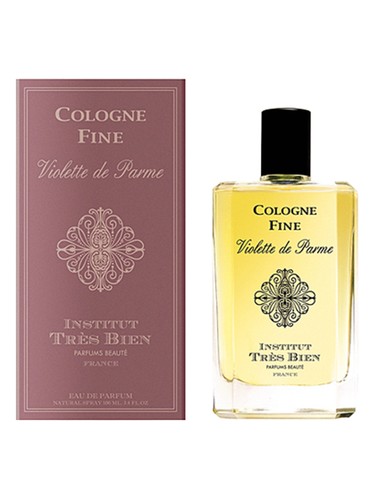
Cologne Fine Violette de Parme
Seu armário
Entre para dizer que você tem, já testou ou quer este perfume. Suas marcações ficam privadas por padrão.
Criar conta é grátis e leva menos de um minuto.
Acordes dominantes
- talcado
- violeta
- verde
- ozônico
- floral amarelo
- floral
Pirâmide olfativa
Saída
O primeiro impacto, nos primeiros 15 minutos.
Coração
A personalidade do perfume, por algumas horas.
Não informado pela comunidade ainda.
Fundo
O rastro que fica na pele até o fim do dia.
Não informado pela comunidade ainda.
Como ele se comporta
Fixação, projeção e ocasião — votos da comunidade internacional somados aos daqui.
Quando usar
- Inverno: 1 voto
- Primavera: 1 voto
- Verão: 1 voto
- Outono: 1 voto
- Dia: 1 voto
- Noite: 0 votos
Onde encontrar
Nenhum decant à venda nem vaquinha aberta agora. Marque Quero ali em cima — é o interesse da comunidade que puxa a próxima vaquinha.
Ver vaquinhas abertasQuem gosta deste também gosta
Perfumes próximos no gosto de quem curte este — bons candidatos para o próximo decant.
Impressões da comunidade internacional
Traduções chegam aos poucos — textos em inglês por enquanto.
- em inglês
Green leaves and citrus blast in opening, then it develops into a beautiful violet-mimosa combination, with plenty of galbanum, rather linear but longlasting, ending light powdery violet with a minimalistic hint of (white)wood. Sillage is quite obvious troughout the wear for about 6hours. Well done and very natural. I don't get the dislike vote. But I guess the brand isn't quite known yet.
- em inglês
I have tried a sample of this. An interesting, floral, lovely scent for about 30seconds and then..........nothing. Nothing at all. Disappointing.
- em inglês
Institut Très Bien is dedicated to the Eau de Cologne. In 2005 the brand launched three fragrances by perfumer Pierre Bourdon, each a spin classic cologne: Cologne à la Française, Cologne à l'Italienne, Cologe à la Russe. They were not revolutionary and they weren't intended to be. They were, however, excellent. Multiple releases often have one solid perfume and an abundance of wishful thinking. Institut Très Bien bucked the trend and released three outstanding colognes. They are all balanced hesperidic-floral Eaux de Cologne and differ in small but significant ways. l'Italienne highlighted the leafy, woody character of cologne and was more bracing and dry than the other two. La Française was a pitch-perfect, mouthwateringly good cologne. It was an impressive move to make the simplest of the three simply impeccable. La Russe was the cleverest of the bunch. It used a sweet and resinous base to give the cologne both a more stable shape and longer lasting basenotes. Over the years perfumers have worked every angle of the Eau de Cologne formula to make it last longer than the Warholian 15 minutes. La Russe grafts a musky, vanillic accord to the cologne structure. The tradeoff is that Russian is less effervescent than the other fragrances, though still citric. The payoff is a more resolute structure and a greater endurance than either La Française or l'Italienne. The base's hint of powdered leather makes it seem like a less animalic descendant of Eau d'Hermes. A decade later in 2015, Institut Très Bien added a second trio to their line: Les Colognes Fines (as opposed to simply "Les Colognes"). Where each of the Colognes emphasized one particular aspect of the classic Eau de Cologne, the Colognes Fines, as their specific names reveal, supplemented cologne with an additional note. Each fragrance has a direct predecessor in the 2005 Colognes. They don't smell alike per se but they are similar in concept. To the brand's credit, they don't seem to have employed the flanker strategy of taking a stock base and simply added different 'flavors' to it. Instead, each cologne is reshaped in light of its new note. The notes themselves (rose, violet leaf, tuberose) are quite apparent, particularly in the top notes, and deserve to be spotlighted in the perfumes' names. Rose de Mai is the simplest and most fetching of the lot. It lines up with La Française's direct approach, eschewing novelty for quality. The rose is musky and a touch sweet, giving the cologne a soft pink/purple glow. Citric top notes pick up rose's lemony grace notes, but fortunately aren't overly zesty. Rose folds into the rest the composition with a subtle spiced-floral inflection. If ITB had continued with the international theme of the 2005 Colognes, Rose de Mai's vaseline-lens garden rose would win this fragrance the title of Cologne à l'Anglaise. It is the least challenging in the trio, but when I first tried the three together with a friend who has a very discerning nose, he named it the winner of the bunch both for its prettiness and its balance. Each of the Colognes Fines are given nicknames at the ITB site and Rose de Mai's is fitting: La Delicate (delicate) Violette de Parme (L'Inattendue-unexpected) is the most contradictory of the three. It's not that the accords don't work, but it varies the most between the strip and skin. On paper, it is clearly defined at all times and is the sharpest of the three. The top note is a deliciously old-fashioned candied violet. Cut from the 19th century to the 1970s: the metallic-green heart is reminiscent of the hissy 'functional' violet leaf of Grey Flannel. The transition is unexpected but logical. The pastille topnote and the urinal puck heartnote are both functions of violet leaf aromachemicals. Of the three, Violette de Parme best transposes the bracing, invigorating nature of classic Eau de Cologne to a new structure. The chilled soapy basenote is a nimble end to the interesting journey, a bit like sticking the landing after a pyrotechnic vault in gymnastics. Oddly, for the cologne with the clearest play on paper, on skin the dynamics don't come through nearly as strongly. Same shape, blurrier focus. In Rose de Mai and Violette de Parme, the added notes energize the cologne structure and lights it up. Tuberose Absolue swallows the Eau de Cologne whole. Its label is "La Flamboyante." (Do I need to translate?) Imagine a contest between classic Eau de Cologne and Amarige. Who do you think wins? Imbalance is tuberose's not-so-secret weapon and the perfume gets high marks for taking a risk and succeeding. The cologne framework does soften the impact and highlights the soft rubbery side of the flower. It buoys the tuberose giving a hazy chiffon blur similarly to the way the lemony topnotes of magnolia aerate flower. In a contest of endurance, tuberose beats any other note in the Cologne. The basenote is 90% tuberose, but having been filtered through cycle of the Cologne it is less strident than the beautifully jarring topnote. Adding individual key notes to an underlying Eau de Cologne structure goes back to the violet, heliotrope and lilac Eaux of the late 19th century. More recently, Atelier Cologne built a brand on a version of the tactic. But a better comparison for the ITB Colognes Fines are the Hermès colognes such as Gentiane Blanche, Mandarine Ambrée and Rhubarbe Ecarlate. Like those from Hermès, the ITB colognes lean more toward refinement than simplicity. All six fragrances in the line are presented in eau de parfum concentration. (At the launch of Rose/Violette/Tuberose, the original trio received free upgrades from edc to edp.) Don't let the concentration fool you---all three are colognes at heart and give a concise, brief showing on the skin. I wrote my characterizations of each of the Colognes Fines before I saw the nicknames at the ITB site. My observations lined up with the brand's descriptions, not indicating any particular observational skill on my part. Rather, it points to the clarity of the design and how well the fragrances translate their intent to scent. Apparently in 2009 Institut Très Bien closed, though not permanently. At some point, the brand was revived and 2016 marks an expansion. The increasing frenzy of perfume releases makes me wary and I'll admit to an inward wince when I saw that Institut Très Bien were to double the number of products in their line in one shot. But then again, maintaining a line of three product during the most cynical years of perfume ambition and expansion is laudable. The brand clearly stand behind their product and The Colognes Fines do nothing to diminish the brand's integrity. (from scenthurdle.com)
Resenhas da comunidade
0 comentáriosEntre na sua conta para comentar e resenhar.
EntrarAinda ninguém resenhou este perfume
Seja a primeira pessoa a contar como ele se comporta na pele: projeção, fixação e a ocasião certa.
Encontrou um erro ou falta informação? A comunidade melhora o catálogo junto.