L'Artisan Parfumeur
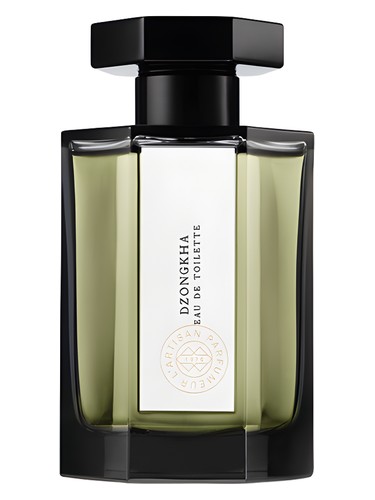
Dzongkha
Seu armário
Entre para dizer que você tem, já testou ou quer este perfume. Suas marcações ficam privadas por padrão.
Criar conta é grátis e leva menos de um minuto.
Acordes dominantes
- amadeirado
- especiado quente
- couro
- aromático
- esfumaçado
- terroso
Pirâmide olfativa
Como ele se comporta
Fixação, projeção e ocasião — votos da comunidade internacional somados aos daqui.
Gênero
16 votos
Quando usar
- Inverno: 27 votos
- Primavera: 13 votos
- Verão: 7 votos
- Outono: 30 votos
- Dia: 30 votos
- Noite: 20 votos
Onde encontrar
Nenhum decant à venda nem vaquinha aberta agora. Marque Quero ali em cima — é o interesse da comunidade que puxa a próxima vaquinha.
Ver vaquinhas abertasQuem gosta deste também gosta
Perfumes próximos no gosto de quem curte este — bons candidatos para o próximo decant.
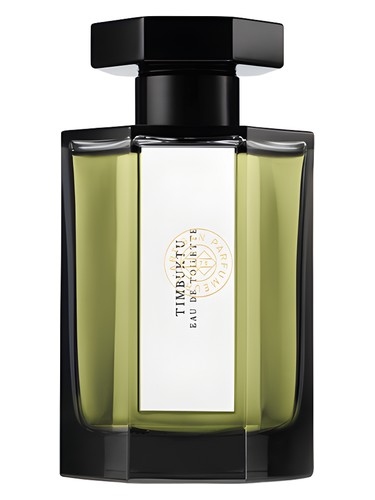
Impressões da comunidade internacional
Traduções chegam aos poucos — textos em inglês por enquanto.
- em inglês
Bertrand is a well-traveled man. After Timbuktu in Mali for L'Artisan Parfumeur, we get his journal entry for Dzongkha in Bhutan. The opening of the perfume is certainly attention grabbing: a lychee note that seems to be bursting with juiciness, dusted with plenty of dry cardamom and flecked with florals. Underneath the top notes you pull ample notes of spicy chai and incense. As the top notes dry down the chai tea is steeping and blooming, and the incense throwing tendrils of rich resinous smoke into the air. The heart of this fragrance is unbelievably rich: spicy and a bit lactonic; dry and sweet; compelling and soothing. As the steeping tea finally cools and the incense has diffused into the air, warming leather, vetiver, and cypress wrap around you like a blanket. This perfume will not be for everyone. To use the description of exotic would be an understatement, as it does a photorealistic job of pulling notes from far-flung Eastern spices and incenses that are not common to Western noses. This could make it difficult for some to wear, but I think that might be a bit of the point. The way this perfume pulls all of its accords together and presents them in complex, multifaceted, evolving manners is supposed to be a reflection of spirituality in the culture of Dzongkha. It's an ancient, complicated, and mystical type of spirituality that is supposed to be inseparable from your person. Nothing about that should strike someone as being easy, as if you could walk into a Bhutan temple, receive a blessing, and suddenly grasp all there is to know and also be inseparable from the belief system the people of Bhutan have passed down for millennia. LAP's Dzongkha describes this journey very well: the quest for spirituality will not be easy, it will be challenging and defy what you think you know and are comfortable with, but take the journey in stride and you will find a captivating, soothing, yet arresting experience that is impossible to forget. It's a marvelous perfume that I doubt I will wear all that often, but it will be a special moment when I do.
- em inglês
Dzongkha starts out deliciously. Immediately I get the iris and incense surrounded by all these resinous and spicy notes. Please see my update at the bottom on how Dzongkha went from "like" to "love". I find all the listed notes (i.e. leather, vetiver, cardamom, tea, iris, peony, cedar and lychee) loveable. I smell some more than others. So no dislike here. However, there is this one note, which I deduct must come from the catch-all "spices" bucket, that gives Dzongkha a little vegetable vibe. I wish Dzongkha had a little less of it. I can understand how some reviewers here get a "soup" or "tomato" scent out of this composition. However, this scent tones down after 1 hour or so and what remains is heavenly to me. In the dry down I smell a little vetiver which gives Dzongkha a woody character. A little cedar and papyrus also join the vetiver to give Dzongkha a soft woody backdrop. Dzongkha is exotic, unique and attractive. It shares certain DNA with Timbuktu (they both created by the same parfumeur who gave them a similar dry down of vetiver and incense). However, while Timbuktu is fully blessed with unblemished beauty from birth its sister Dzongkha's beauty is partly blemished by this one vegetable scent. I may have to try Dzongkha a couple of times more to figure if this is one of those cases where love develops over time...but definitely is a "like" ********************** UPDATE: I now adore this fragrance, so much that I decided to buy a bottle. I'd love to have it in my collection permanently. I don't know if it was a matter of first impression or the original sample I had, but the vegetable vibe is no more and I can enjoy much better the gamut of delicious and exotic scents in this composition. I decided to keep the original impression as written originally above followed by this UPDATE to send the message of "retry it, give it a second chance" to those who experience a similar first impression like mine.
- em inglês
Today it is cold. Very cold. Perhaps it is the coldest day of the year; perhaps it is the coldest day of the decade. There is only the lightest wind to kiss the trees that stand naked and resolute with vulnerable limbs stretched outward and upward forver reaching towards a monochrome sky. A sky blanketed in low lying cloud that spans the horizon with the same uniformity of cold stainless steel. My nostrils are stiff with metamorphosing moisture which begins to turn to ice. I pull the collar of my thick coat higher to shield my face and it is then that I inhale the heavenly scent that is Dzongkha. Instantly my mind is filled with images of small outdoor fires that crackle and pop and hiss from damp and resinous woods. For a few moments I can believe that I am high in the Himalayas with my cold hands yearning for a little clay pot of sweet and spicy chai tea to cradle so that my face can receive the warm and aromatic vapours. I love Dzongkha very much. It is a love that gently grows stronger with every occasion that I wear it. Although in some ways it reminds me of Timbuktu, it is very much its own creature. Despite it being more complex in composition, I find it a little more accessible than Timbuktu. That is not to say that it is a fragrance for every day. For the vast majority of people this would not work as an office scent as it takes a certain aesthetic to appreciate its mysterious beauty. Weekend solitary walks in the woods and days alone at home are what I mostly save it for. A good book, a hot drink, a sleeping cat and a mystical fragrance are all I could ever ask for on days that are cold and calm and silent.
- em inglês
Strong,sharp,shocking opening to this fragrance.been looking forward to wearing this for some time but my reaction to doing so is repulsion.the herbs cum spices combination makes this hard for me to enjoy. I have no idea where and when to wear this one.And there's an ambivalence to this for me:it's listed as unisex and yes, I can see women with balls-and yes,there are a few in my enclave-pulling this off.the top notes give you the impression,only men should dare but then as it dies down time it reveals a softness that makes you think it's not suited for a man but more for a woman so I guess it's up to the disposition of the wearer.I think given the overall appeal it will be more suited to an older woman.Grannies should find this appealing.Youngsters will be repelled so will make for some uniqueness. It's very long lasting,linear and can induce headaches easily when over-applied and when worn in the wrong season.yes,the incense and spices do mellow with time but still remain the bitter focus of this mix. Will never recommend this to be bought blind.try first and braze yourself for an olfactory overload. I always love challenges and will wear a fragrance for a long time to get used to it and with time love it.this one will be an exception.Thank you L'Artisan but no,thanks.
- em inglês
Gorgeous!!! Dry, rich and rooty. I understand the association with carrots and celery (less so pickles). Incense and exotic spices. Comforting, smoky, savoury and entirely unisex, in the sense of being neither male nor female. Strong sillage which calms down to a gentle radiance. Thanks to @Kellai for the explanation of the name; would love an update on whether this is an accurate representation (fragrance-wise) of Bhutan..? Update: after falling in love with my sample I bought a FB and was disappoined when it arrived in the dour new packaging. There seem to be some changes to the fragrance too; it seems watered down with less of the interesting vegetal accords and very quiet sillage (I spray this far more liberally than most of my other perfumes). This now seems to me to be a fairly straightforward dry incense with a touch of sweetness which I suppose must be the lychee? Instead of the powerful dose of pepper, I pick up more of the cardamom. While before it seemed staunchly unisex, this now seems to me to lean more feminine. I was disappointed at first by the changes, but still need to do a side-by-side test of the sample v. bottle. I have forgiven Dzongkha for changing and have been wearing her nearly every day for the past month... It might be true love :)
- em inglês
Update, Nov 19, Both Dzongkha and Timbuktu have papyrus giving it a real earthy green aroma. They both have very attractive herbal/spicy aroma with a hint of woodsy notes. The one thing that is noticeable in Dzongka is a earthy/carroty top note L'Artisan has given us high quality fragrance at a VERY affordable prices. Kudos....!!!! Without trying Dzongkha , I decided to make a blind purchase. Without smelling this fragrance, I have to say that Yatagan and Dazongkha are twin bothers..a lot. After spraying this juice on my skin a blast of green note and spicy blend from papyrus and I could swear that Artmesia is part of this juice giving it that herbal/bitter green/earthy aroma. After this juice settles there's a smokey blend. The only note that I'm not able to pick up is iris? Longevity and Silage is very good lasting about 6-8hrs Finally thoughts, Thou this juice is similar to Yatagan, I do appreciate the complex blend of green notes with a pronounced smokey/spicy /woodsy blend. A very classy fragrance which could be used during the evening and almost all seasons except the hot summer months. 8/10
- em inglês
Unusual perfume, complex and very original , like all L'Artisan's are. Starts off very straight, upfront and you might be left with a sort of shock feeling - something like a bucket of iced water in your face. Kind of an alchool blast that can be unpleasant. But then this fragrance unfolds to many other fragrances. Very strange... but beautiful for its complexity. It is dry and cold, like mountain air, with those balsamic woods and resins- you can feel it in your lungs. You know that crisp fresh early morning mountain air? that's it. Can it be the iris? I recognize the iris root note - the same as in SMN Città di Kyoto. Then there is some misterious incense to it. It gives the warmth this frag is needing. There is something "religious" about this fragrance, something I associate with meditation (the mountains?the incense?). Introspective fragrance. Not for everybody I would say. But surely marvellous: a work of art!
- em inglês
My second L'Artisan.. I did not test this on my skin, but on paper. I even don't know if that's what I want on skin. Very true- a real spicy woody fragrance. Smells like we're resting in our vegetable garden (in my country they were very popular- a little place where you could grow your stuff (vegetables etc.) and spend weekends or stuff. There also often was a little house you could sleep in if you stayed for days. In late 90's and early 00's many ppl us included had picnics in vegetable gardens and made shasclick (lol or shish kebab in other word)). So Dzongkha smells like inside of that little wooden house while someone also makes something scrumptious (meat!!). Spices, something like roast, and woods that a bit suffered from humidity- that's my Dzongkha. In fact I think also of tatar warriors preparing meal after battle when i smell this. I like this very much as a distinctive olfactive experience.
- em inglês
I wore L'Artisan Dzongkha again today. A very different play on incense with its prominent iris overtones and spicy mids. Also that dusky sweetness in the head from peony and litchi. It's such a funny one. I read a review once that described it as feeling unfinished or incomplete in some way. That resonated with me and I think it's an astute observation. But I don't see that as a negative. Rather, that space within it opens the fragrance up to a breadth of allegorical interpretation. It's just so evocative... Dzongkha is the official language of Bhutan, written using the Tibetan alphabet and for some reason, the elusiveness that is created by the structure of this perfume and it's various accords, does seem to me to evoke those unscalable mountain heights and that preciousness of breath in such rarified air. It really is an enigmatic and beautiful thing... Duchaufour at his best.
- em inglês
Dzongkha is a delightful fragrance it's dry, spicy, slightly smokey and above all unique. The first thing I got from it was the earthy spice and vetiver combo which put me in mind of another Bertrand Duchaufour creation for L'Artisan, Timbuktu. Then the main note for me is tea and cardamom it's a strained english tea right in the heart of the fragrance quite rough though still refreshing. But wait! Yet another transition in the dry down...All the spice fades to the back and a soft iris with a touch of leather appears more prominent. I deliberately had no prior knowledge of the components of this fragrance and it was a welcome surprise to test my nose with something so easily decipherable. I really like this fragrance it's so manly and interesting and honestly was a relief after a few disappointments from this house.
- em inglês
A very relaxing scent in which the main notes are spices, tea and papyrus. On my skin, the sweetness (cardamom/florals) appears in the heart. A beautiful dry/raw frankincense (like in Tauer Incense Extreme, but dryer) will lead the base, and outstanding mostly in the late drydown. Vetiver is just a supporting note. No news of the leather note to my nose. It has poor projection but great longevity on my skin. I had to empty the full sample in order to do this review. Nice but for sure not mindblowing like Timbuktu and Dzing! are. I would have given it a small spot in my collection, but I missed its appearance at discounters, and "just nice" is not enough in my book to justify a purchase at full retail price. Spring/Fall days, unisex leaning feminine, 20+
- em inglês
I recently returned from Bhutan. Dzongha is their national language. I compliment the makers of this perfume, because it really does smell like the characteristic Buddhist temples high in the Himalayas of Bhutan. I love this scent; it is my everyday favourite. It lasts forever on my skin but radiates only slightly, so I can enjoy it without overwhelming those around me (which can be a problem with some spicy fragrances). For me it has a very soft element which I find very feminine (probably it is the woody element - I also love Chanel's Bois des Iles). It's certainly not for the "flowery" girl, but I would not relegate it to men only. It's classified as a unisex. I feel it's very appropriate for the professional woman who wants to be taken seriously.
- em inglês
Oh I love vetiver and vetiver loves me! This puts a spring in my step! Leather, tea, litchi, cedar and hay together are making my senses tingle and it feels like spring really is around the corner (which it is here in NZ). It's a walk on the farm after the hay has been bundled up and before the weather gets uncomfortable hot. Lambs are leaping playfully in the grass and there's a faintly animalic whiff in the cool breeze, almost but not quite the oily scent of lambswool. Uplifting, comforting and calming at the same time for me, I'm fascinated by how polarising this scent is in the reviews here - one sniff of this makes me happier, I want to cuddle up with this scent for a while now, bye....
- em inglês
Dzongkha for me was not love at first sniff, but this scent rewards patient noses: elusive peony and litchi (for me both are like ghost scents, I don’t get them they fade before I can make sense of them). Then comes the good part: spicy tea, smoky note, vetiver, incense. Inspired by Bhutan. I like about this scent is that it does not try to please the crowd and tell another story of roses, vanillas and ouds (nothing against those notes, but how many do we need of those in perfumes?). I have to be in the mood to wear Dzongkha, otherwise I feel it wears me. Papyrus note always intrigues me (santal 33, mixed emotions, tiger's nest).
- em inglês
Have had this for years but wore it today for the first time in months, I’d wear it more often if I could be sure that the current version performs as well as this one, the original, bought ca. seven years ago. Funny how the cardamom is listed as a top note since that’s the most prominent and the most long lasting. It’s now 8pm and I can still feel it, soft and warm on my skin, and I sprayed it on more than twelve hours ago! I guess it would be optimistic to expect as much of the current version, since lasting scents are killed off one by one by most perfume houses these days.
- em inglês
An underrated work. I think it’s one of the magnificent jobs done by Bertrand Duchaufour, which I can't compare to many other works. The spices used are very strong and in a different balance. The most prominent notes are black pepper, leather, and iris, with cardamom, vetiver, and papyrus in the background. It feels like an indie version of Dior Homme. Considering the release year of 2006, it's definitely inspired by this perfume when Dior released DHP. Even in hot days, I wear it without discomfort. The performance, sillage, and longevity are all top-notch, five stars.
- em inglês
What a wonderful unisex fragrance for those who adore woody incence blends. I could not detect any peony, not that it isn't there. I am overwhelmed by the wonderful mastery of incense and florals. If I could rub incense like patchouli,sandalwood,Night Queen and Nag Champa on my skin with a dash of florals as a perfume it would smell like this. It instantly puts me in a good mood and makes me feel so mellow. It will be one of my go-to fragrances for destressing after a long day. It is a wonderful aromatherapy fragrance to go with a good massage and Zen music.
- em inglês
Oh bitter chalky goodness! I liked the notes but was unsure after reading the reviews. I'm happy to have listened to my first instinct and sampled it: I ordered a bottle after only one spray. To me Dzongkha smells of white stones in the sun. It reminds me of my (sadly brief) years as an archaeologist. It's like a sophisticated person wearing Habanita went off digging the parched dirt looking for ancient pottery. There's leather and iris and a most subtle sweetness (litchi?) as well as an understated incense. Maybe it's not a must have, but it is a must try!
- em inglês
In no particular order, I smell iris, incense, leather, peony, and tea. Love it. I wish I could detect the cardamom. For the negative reviewers: I don't know why you don't like this. It just smells good. Maybe not unique, but interesting and uncommon. I don't get the dill pickle note, either. Edit: I smell the cedar and vetiver very prominently, with subsequent wearings. It is a very interesting fragrance, which proves to smell different, nearly every time I wear it. I'm going to spring for a full bottle very soon. My 10 mL decant is nearly gone!
- em inglês
If Tibetan Buddhism had a scent, it would be this, it feels like drinking butter milk in a monastery on the top of a mountain in the Himalayas. This perfume transports you to the other side of the world, and reminds you that the world is bigger than what you encounter. It smells out of place in a buzzling modern city but that helps me stay centred. If you like Zen, Eastern philosophy and drinking green tea, this is for you. Definitely not a beginner perfume or a blind buy unless you know this is something you would like.
- em inglês
I get a "Pinch" or "Haig & Haig" Scotch note in the opening. It's a strong note and it hangs around for a long time. The heart is spice and flowers. A very light incense comes up from the base. Very unique. Dzongkha is about third on my list of L'Artisan Parfumeur fragrances I want, I have tried 10. The smell of scotch whiskey, however fine it is, is not a priority scent for me right now, but I really like this one. Surely it smells, to others, as though one has been drinking, so please don't Dzongkha and drive.
- em inglês
I can't believe these reviews about a "celery" smell. I absolutely HATE celery! but I absolutely LOVE Dzongkha! It smells nothing like celery to me, unless you have that idea in your head already when you try it. I smell all the beautiful notes: iris, vetiver, incense, peony, cedar, tea and papyrus. Nothing like stinky celery. I personally think this is a better variation of Timbuktu. I have a vintage bottle and wear it in the springtime; right around this time of year. I'm going to put some on right now:-)
- em inglês
This is such a complex scent. When I first applied this, I had a blast of cardamom dried into a spicy floral with undertones of wood and smoke. Hints of black tea - not milky black tea. After 8 hours it was almost exclusively leather and wood with only hints of iris. It's definitely leans dry, but I do get some sweetness. I love the way it has evolved over the course of the day. This is one of my new favorites, but I absolutely understand why it is polarizing. Definitely not a scent to blind buy.
- em inglês
Dzongkha is not only a smell; it's a complete landscape. It is a crystal clear, cool mountain air, which weaves through a subtle, herbal smoke from a tiny fire, over which, in a sooty pot, an aromatic tea is brewing. Complemented by the smell of ashes, warm stones, and the aroma of peony, iris, and a sparkling drop of dew on the spider's web. My lungs greedily catch every breath of lucidly clear air. Silence, broken only by the beating of the heart, filled with happiness...
- em inglês
I bought this fragrance because it reminds me of being in an incense filled temple in Bhutan. Just inhaling this brings back such wonderful memories that I had always wanted to own a bottle. The leathery, woodsy, spicy incense starts out somewhat brightly and softens as the day progresses. It is definitely a smoldering scent that seems more masculine initially, as the incense and spice fades a light warm flower blooms. Love this, could be part of my regular rotation.
- em inglês
I agree that at first sniff this one seems to be similar to Timbuktu, but this is not even half of the story. While Timbuktu remains heavy and dominant for a very long time (even weeks, if a drop lands on your jacket), this one develops into a dryer and more discreet fragrance. Compare both after one hour, and you won't find them similar! Judging on its own, it's a subtle and "green" fragrance that may be worn by men of any age and style. ****
- em inglês
I usually gravitate towards very sweet scents, but there is something really special about Dzongkha that captures my imagination. I would describe it as dry, slightly masculine, but with an underlying sweetness that makes me feel comfortable wearing it. The papyrus note makes me think of the Nile, old scrolls, and people traversing the desert on the backs of camels. This frag evokes mystery and faraway places for me. I love it.
- em inglês
Many other reviewers have described this much better than I can, but I don't smell "notes" when I wear Dzongkha, but I immediately get the mental picture of a temple with burning incense in smooth river stones. Not for the faint-nosed or for the unadventurous 'fume lover. I don't know if I would purchase it again since L'Artisan is a very pricey brand and I would love to try their other scents.
- em inglês
Dzongkha is a very well blended fragrance. It is a very dry spicy and herbal composition. At first spray I get the pepper with a blast of Iris. It comes on as very strong, but wait for the dry down. Incense also plays a role here in the background. IMO it is calming and lasts a very long time on me. I like it for the fall when the humidity is a bit low here in South Florida.
- em inglês
Magnificent. Dry, a bit bitter, a bit smooth. Rooty, but soft and enveloping iris, enveloped on delicate incense, and anchored by dry yet somehow green woods. An understated masterpiece. There are similarities to Bois Farine, Tam Dao, as well as 28 La Pausa, the first ones for the dry wood rendition and the latter for the soft rooty iris.
- em inglês
Very nice combination of some extravagant notes that unexpectedly work together quite nicely. I can feel lots of freshness from spices and aromatic herb (also some piny olibanum) mixed with something slightly musky, animalic and woody. It’s a true perfume art, I would how it will develop on my skin. Follow me on IG: scent.guide
- em inglês
Smoky, enticing, and amazingly long-lasting - those are the keywords to describe Dzongkha. Even though it's listed as unisex, I grudgingly admit this is more of a masculine fragance. Nevertheless - or, fortunately? - that's the kind of perfume that suit me best, and it really is amazing each and every time I wear it.
- em inglês
Clean, fresh, smoky and dark at the same time. I think it is related to Serge Luten's Feminité du Bois, but with other notes as well such as leather and incense. It sometimes also reminds me of the classic British confectionary Parma Violets from the 1940s. It is classy, cold, calming and well blended.
- em inglês
I have the old style bottle. It's not a perfume I wear a lot but last night having had a bath I decided to wear it. It is just beautiful. Warm and spicy with that lovely peppery note that's delicious. The opening is a little screechy but the dry down is worth the wait. Heaven.
- em inglês
What a puzzle. Diving into a landscape of something lively, creamy, leathery and warm, a playful mix of cream and spice. It seems to fade quickly, and while the base remains quite long, I only get the faintest impression of patchouli, something woody and green.
- em inglês
Mnaonfrag, Dzongkha is far from a hospital smell. It's sharp, yes, but the herbs and incense and spices make it really pleasant to wear. You will be heard and smelt when wearing Dzongkha. To me, it was a joy to be introduced to this scent. Unisex? Absolutely.
- em inglês
Rich in spices, an independent scent that dominates with a wild grace. It has an Asian/African feel to it - somehow makes you want to leave everything behind and travel the world. Not at all shy, yet inoffensive. I just love it.
- em inglês
My nose has possibly gone insane, but it is telling me that this is an uber dry cognac leather? Edit: I rather like it.
- em inglês
Meditative and cold but not austere. I absolutely love this fragrance.
- em inglês
Che non mi piacciono i profumi attuali né di nicchia né commerciali, non è un segreto. Sono tutti uguali fra loro,copiati e replicati ad nauseam, oppure sciocchezze senza alcun senso o peggio ancora,sono disturbanti e noiosi. Dzongkha naturalmente era uno di quelli buoni, originali e caratteristici dell'artisan,uno fra quelli che ho amato e usato con piacere. Ovviamente è fuori produzione, assieme a voleur de roses, nuit de tubereuse, havana vanille, traversee du bosphore, poivre piccante, piment brulant, seville a l'oube, safran troublant, mechant loup, dzing, fleur de liane, e molti altri fra quelli che hanno reso famosa e amata la casa de l'artisan parfumeur. Ora restano quelle tre o quattro noiose banalità di oudh vaniglia e fiori d'arancio noiosi e insignificanti che vanno in questo periodo triste della profumeria. Evidentemente vogliono troncare i legami col passato glorioso e ridurre tutta la profumeria a quel mucchio di odori chimici che adesso impestano e infestano tutte le profumerie e che per me sono off limits. Probabilmente l'artisan parfumeur vuole chiudere i battenti dato che non ha piu una fragranza decente né originale. Un po come etat libre d'Orange e altre che si sono omologate alla noia corrente senza originalità. Senza anima e priva di qualunque slancio interessante. Tornando a dzongkha era un profumo esotico di fumi di incenso bianco pulito,the umido e dolce con un tocco di latte,e note verdi morbide. Fratello di timbuktu. Anche questo sarà presto interrotto. Un cimitero di profumi
- em inglês
This just keeps getting better and better. It started off with a very harsh leather note, a heavy hit of peppercorn and some old barrel of scotch. But then it immediately starts to smooth itself out into something dreamy. The word "Dzongkha" means "the language of the district", it is a language spoken in Kingdom of Bhutan. The remote Buddhist mountain Kingdom borders China and India and just manages to not touch Nepal due to political lines, but you can understand this fragrance by understanding it's inspiration. Papyrus! I've never smelled papyrus in perfume before but here it is among the spice, wood, smoke and soft light floral background. There is a nice cardamon note like cardamon tea. There is some fruitness, some iris. The woods kick up the longer it sits, and it gets a leathery-incense feel to it which is dim and low for a long while. It doesn't have much projection and it's so tamed that you have to really put your nose to the skin to find it. It's not bad, but it's weak. It's something that feels almost realized but not quite. Almost meditative, almost in the woods, almost a cooking pot bubbling with spice... but just not quite. I like it, I wish it was more robust and brought further out into the light. 6.5-7/10 for me but leans toward 7 for sure
- em inglês
Fragrance somewhat exotic and also strange. The aroma starts very green and spicy, the lychee assembled to the spices to the tea and the papyrus provoke an aromatic effect somewhat acid, spicy and powerful that overwhelms, appear to be part of the spices that are put to the exotic foods. This green effect does not disappear throughout development and can get tired. Immediately the wood is installed, they are very consistent wood forming a body in the fragrance, very dense, almost walled, pleasant, giving the impression of being part of one or several wooden huts, with a rather dry effect, Cedar attached to a pleasant vetiver, the papyrus still feeling and the iris that acts as a warm breeze that affects and joins to the smoke effect that gives the incense giving a feeling of warmth, like the smoke that comes out of a kitchen where you are Cooking. The touch of leather dresses these simple cabins providing the subtlety of a small detail. Very good duration, the wake works by pulses, and as I said the fragrance is original and striking as an olfactory experience, however, I do not think it a fragrance to give it daily use, rather, I would use it for personal enjoyment or for use in certain Days because it would be tiring. Rating: 5
- em inglês
The temple on the top of the mountain. Exotic notes of Papyrus, vetiver and spices. Incense, Cardamom and leather and pepper give Dzongha a rustic dryness with a rough surface texture. Dzongha is such an unrestrained wisp of soul, a wisp of blue smoke, escaping into the blue sky, and the years are silent. Sanskrit sounds around the beam, deep in your heart. Dzongha is similar to incense line. This incense burnt by Duchaufour is transparent, but it is not enough in terms of distance. There is something more bitter and quiet under the smell of dry and charred medicinal wood. The cedar adds a coolness to it, and the aroma of ginseng cooked on the stove makes people's emotions begin to churn strongly... Recalling the past, the past is like a dream. The lama continued to chant, and the night was still dark. Dzongha is a freehand fragrance, paying attention to atmosphere, it is born to arouse the illusory imagination of you and me - the longing for the distant Bhutan. Who hasn't wanted to escape from reality? Perhaps, someone did not see through it, but just accepted and looked at all the absurd and non-absurd things in the world with indifference. I also like Dzongha, one of Duchaufour's masterpieces, with a religious flavor.
- em inglês
Smelling unusual enough fragrance! Most of all I feel the papyrus, leather and vetiver notes in it. It smells rather delicate than intensive. It's even a little bit dry and strict in its dry-down. And it's not sweet. I like it! Especially, I like that the notes pyramid is unusual enough. I really like when noses behind the fragrances use their imagination and create something unique and not typical. Unfortunately, nowadays there are too many perfumes and many of them smell simple enough and even remind other fragrances in general or by some notes combinations, and people who create them have no shame to call themselves "noses", too, making the obvious plagiarism and talentless creations. I guess that such kind of creators and brands that launch them love money much more than good reputation. There are not so many notes, but after sniffing many nowadays fragrances, it seems that there are enough notes and some creators just have no imagination or even talent to mix them and to create something unusual. I'm glad that this fragrance is not like those fragrances, it's complex and quite unique. I respect much more such kind of fragrances. Really good fragrance! The idea of it is really interesting.
- em inglês
A very unusual scent, very typical l'Artisan Parfumeur composition in terms of performance, structure, and style, but definitely in the realm of strange. Very fleeting top notes, more of an embellishment rather than anything substantial, a touch of the pink hue of peony. That is the only sweetness you will get from this fragrance and if you look in the wrong direction you may miss it. However I do get the cardamom for the first 10 mins or so. Underneath I get the dry salty essence of vetiver, a snuffed out incense, not intensely spicy or gritty, rather smooth and transparent, a dry woody interpretation of warm spices, and a clear parchment like papyrus note resonating throughout. I don't believe there are actual leather or tea compounds in this composition, rather the papyrus, vetiver and incense slightly hint at a worn and tenuous leather and a dry earthy black tea, along the lines of a Pu Er. Very dry, woody, slightly smokey. A cold and transparent composition, devoid of sweetness or moisture, great name, Dzongka, indeed the dusty snuffed out incense after a tea ceremony in an old semi-abandoned Tibetan temple.
- em inglês
I too ordered this from the L’Artisan half price sale and then I read the review below that described it smelling like tomato soup and chili powder. When the perfume arrived I spritzed and did think it smelled very foodie, like smoked paprika, and I was disappointed. Then later that evening I read the positive review in The Guide and then another one on Now Smell This and both of those reviews focused on the iris. So, the next day I decided to give Dzong a second chance and this time focus on the iris. It worked, on my second wearing all I smelled was smokey iris and I like it much better. I sprayed some on my mother this weekend and walked around with her and she smelled divine really. This has taught me that maybe it’s not a good idea to read reviews before purchasing because the power of persuasion is really powerful. You read all these other people’s opinions and it is impossible to not let it shape your own. I love reading perfumes reviews but I may try to hold off until I’ve formed my own opinion first.
- em inglês
This is chai, but not in the way you might expect—this is no chai latte. It doesn’t lean into the creamy, cozy gourmand territory; it is rather the essence of the spices themselves—dry, aromatic warmth from cardamom, aromatic smoky black tea, leathery depth in the background like a well-worn, old book now repurposed as a cozy coaster. There’s an almost atmospheric quality to it, of pure chai being brewed in an open-air market, of spices carried on the wind, of the warmth of sunbaked earth and distant incense. On my skin, it reads incredibly warm, almost too much so, the leathery facets deepening continually and the spice intensifying. It’s a bit smoky and spicy for my personal taste, with this richness that incredibly heavy and enveloping. But as a fragrance, it’s undeniably well-crafted and multilayered, unfolding gradually to tell a story of warmth and tradition. Even if it’s not something I’d wear, I appreciate the vision behind it.
- em inglês
Dzongkha (an old mainstream of mine) showcases the blending mastery of Bertrand Duchaufour where he conjures up a vision of Shangri La and Tibet using fairly non-exotic ingredients. The perfume opens with notes of peony (pronounced), pepper, cardamom and litchi. It then transitions to more pepper, tea (pronounced), vetiver, incense and cedar as it begins to dry down. Upon complete drydown notes of leather, iris and papyrus (pronounced) are detected. The overall effect is a smoky floriental that ends up smelling very exotic. Moderate in sillage and long lasting, this is one that gets noticed because it is utterly unique and somewhat hypnotic. Recommended for lovers of exotic Orientals and unusual (but not too offbeat) perfumes. Evocative and masterfully blended. However in my opinion also one that falls in between being good and great.
- em inglês
Dzongkha is fun-it deserves to be fun, with a name like that, so I'm happy for it. It reminds me of a trip down a cold river in late spring. The opening reminds me of a fast-forward tour of its cousin, Dzing!, complete with a fleeting breath of cardboard. But the opening is really spicy, like an orange incense, and woody, and it also smells of clover and a bit like clover honey. Then I get a slightly sour woodiness and a lovely wet smell like a cool mossy stone at the edge of a cold stream. The dry down is leather iris, very chilly. I wore this all day yesterday, woke up still smelling iris, and wore it all day again today. Terrific longevity and nice sillage, too. A wonderful perfume if you delight in observing a perfume's evolution over time.
- em inglês
It's quite a lot like Santal 33, and I'm surprised I seem to be the first to have suggested that as a smell-alike. Both have noticeable cardamom, big iris, smooth leather, papyrus (not sure I know what that smells like, though), and the uncanny pickle note. Both are arty/boho unisex fragrances. Santal 33 is ubiquitous at this point and has the legendary huge sillage, while this is a little quieter and more niche, and maybe more evocative of nature than the urban space that Santal is associated with. Based on the notes this is more complex, too, but I'm not sure I smell the litchi or peony- maybe just the tea. I am definitely feeling the zen mountain fantasy, but I'm pretty impressionable! Not FBW though.
Resenhas da comunidade
0 comentáriosEntre na sua conta para comentar e resenhar.
EntrarAinda ninguém resenhou este perfume
Seja a primeira pessoa a contar como ele se comporta na pele: projeção, fixação e a ocasião certa.
Encontrou um erro ou falta informação? A comunidade melhora o catálogo junto.