Penhaligon's
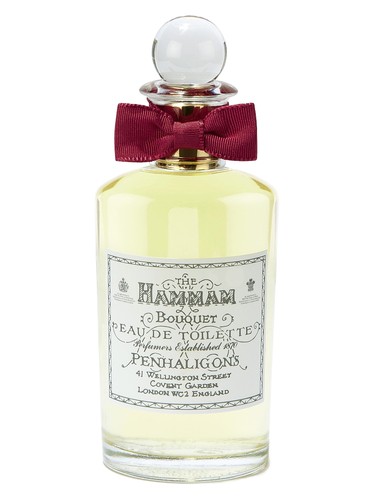
Hammam Bouquet
Seu armário
Entre para dizer que você tem, já testou ou quer este perfume. Suas marcações ficam privadas por padrão.
Criar conta é grátis e leva menos de um minuto.
Acordes dominantes
- talcado
- amadeirado
- rosa
- almiscarado
- lavanda
- íris
Pirâmide olfativa
Como ele se comporta
Fixação, projeção e ocasião — votos da comunidade internacional somados aos daqui.
Gênero
19 votos
Quando usar
- Inverno: 15 votos
- Primavera: 13 votos
- Verão: 7 votos
- Outono: 19 votos
- Dia: 14 votos
- Noite: 11 votos
Onde encontrar
Nenhum decant à venda nem vaquinha aberta agora. Marque Quero ali em cima — é o interesse da comunidade que puxa a próxima vaquinha.
Ver vaquinhas abertasQuem gosta deste também gosta
Perfumes próximos no gosto de quem curte este — bons candidatos para o próximo decant.
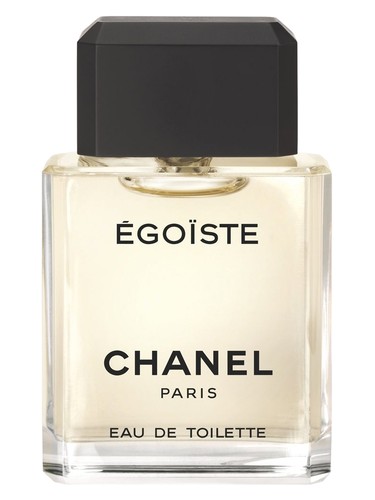
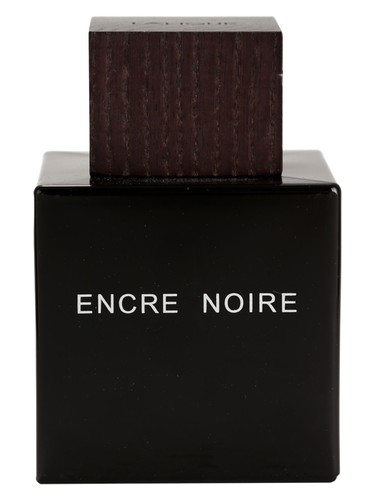
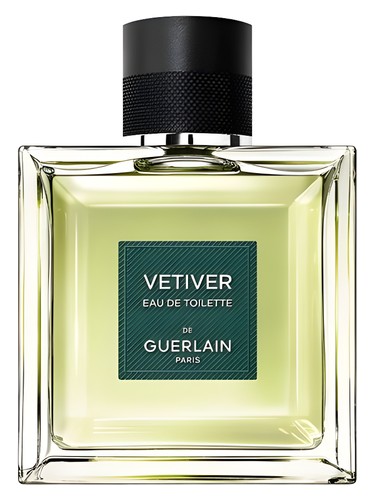
Impressões da comunidade internacional
Traduções chegam aos poucos — textos em inglês por enquanto.
- em inglês
There is something quietly subversive about wearing Hammam Bouquet in 2026. On paper, it shouldn’t work. A composition rooted in the late 19th century, built around lavender, citrus, powdery florals and a warm, musky-amber base—far removed from today’s landscape of sweet ambers, ambroxan-driven freshness, and loud projection. And yet, the experience of wearing it today reveals something unexpected: what we often label as “vintage” may, in fact, feel more contemporary than many modern releases. Hammam Bouquet does not try to impress. It does not project aggressively, nor does it rely on an immediately addictive sweetness. Instead, it unfolds. The opening feels clean, almost classical, before softening into a powdery, intimate heart that evokes skin, steam, and the quiet ritual of bathing. There is a tactile quality to it—something textural and human—that many current fragrances, in their pursuit of impact, seem to overlook. Its main criticism is also its defining strength: it can feel “too classic,” even reminiscent of soap or old-world cosmetics. For some, this is precisely where it loses appeal. But for others, especially in a market saturated with similar olfactory profiles, this restraint becomes its greatest asset. What makes Hammam Bouquet fascinating today is not nostalgia, but contrast. It stands apart. In a world where many fragrances are designed to be instantly likable and broadly appealing, this one feels personal, almost introspective. It doesn’t demand attention—it rewards it. A small personal anecdote brought this realization into focus. Wearing it recently, I thought of it as completely out of time—something I enjoyed privately, perhaps even ironically. Yet, unexpectedly, someone who rarely comments on fragrances told me how much they liked it. No reference to its age, no perception of it being “old-fashioned”—just a genuine, immediate appreciation. That moment says more than any technical analysis could. It suggests that the idea of a fragrance being “dated” may exist more in our ذهن than in the perception of others. Removed from context, stripped of labels, a well-crafted composition can transcend its era entirely. Perhaps what we call “vintage” is not outdatedness, but independence. A freedom from trends, from formulas designed to please instantly, from the pressure to conform to the olfactory codes of a specific time. And in that sense, Hammam Bouquet is not a relic. It is, quite possibly, more modern than modern. Hay algo silenciosamente subversivo en llevar Hammam Bouquet en 2026. Sobre el papel, no debería funcionar. Una composición nacida a finales del siglo XIX, construida alrededor de lavanda, cítricos, flores empolvadas y una base cálida de almizcle y ámbar—muy lejos del panorama actual dominado por ámbares dulces, frescor basado en ambroxan y proyección intensa. Y, sin embargo, la experiencia de llevarlo hoy revela algo inesperado: aquello que solemos etiquetar como “vintage” puede sentirse, en realidad, más contemporáneo que muchos lanzamientos actuales. Hammam Bouquet no intenta impresionar. No proyecta de forma agresiva ni se apoya en una dulzura adictiva inmediata. En cambio, evoluciona. La salida se percibe limpia, casi clásica, antes de fundirse en un corazón empolvado e íntimo que evoca piel, vapor y el ritual silencioso del baño. Tiene una cualidad táctil—algo textural y profundamente humano—que muchas fragancias actuales, en su búsqueda de impacto, parecen haber dejado atrás. Su principal crítica es también su mayor virtud: puede sentirse “demasiado clásico”, incluso recordar a jabón o cosmética antigua. Para algunos, ahí reside su debilidad. Pero para otros, especialmente en un mercado saturado de perfiles olfativos similares, esa contención se convierte en su mayor fortaleza. Lo que hace fascinante a Hammam Bouquet hoy no es la nostalgia, sino el contraste. Destaca precisamente porque es diferente. En un mundo donde muchas fragancias están diseñadas para gustar de inmediato y a todo el mundo, esta se siente personal, casi introspectiva. No exige atención—la recompensa. Una pequeña anécdota personal puso esto en perspectiva. Llevándolo recientemente, lo percibía como algo totalmente fuera de época—un placer privado, casi irónico. Sin embargo, de forma inesperada, alguien que rara vez comenta perfumes me dijo lo mucho que le gustaba. Sin referencias a su antigüedad, sin percibirlo como “pasado de moda”—simplemente una apreciación genuina e inmediata. Ese momento dice más que cualquier análisis técnico. Sugiere que la idea de que un perfume esté “anticuado” puede existir más en nuestra mente que en la percepción de los demás. Fuera de contexto, sin etiquetas, una composición bien construida puede trascender completamente su época. Quizás lo que llamamos “vintage” no sea antigüedad, sino independencia. Una libertad respecto a las tendencias, a las fórmulas diseñadas para agradar al instante, a la presión de encajar en los códigos olfativos de un momento concreto. Y en ese sentido, Hammam Bouquet no es una reliquia. Es, muy probablemente, más moderno que lo moderno.
- em inglês
I refuse to see the "dusty old books" description of this perfume, particularly popular outside of Fragrantica, as a bad thing. Sorry to have to resort to a story (once again!) but this one is just too appropriate. A few years ago, I had to spend a lot of time doing research in one of the largest libraries in the world - 3 million books on 50+ miles of bookshelves. If any part of you is a bookworm, you'll know that I'm not exaggerating when I say that the feeling of hushed awe and grandeur in a place like that is greater than in Louvre and Hermitage combined. That place was/is stuffed silly with first editions and only existing copies, which anyone could read if you were only willing to trek many hundreds of feet along dark winding corridors and underground tunnels where you were lucky to find another person to ask for directions back to daylight. And once I made the wonderful mistake of trying to walk out of that library through one of the fiction floors. I guess part of me wanted to see if _Necronomicon_ would reveal itself to me, but instead I stumbled on another book I've never read before - Bram Stoker's _Dracula_ (I wasn't surprised when it turned out to be a first edition). Naturally, after reading the first couple of pages, I didn't notice how I made myself comfortable right there on the floor until hours later a librarian came through telling me the place was now closing for the night. Those few hours were the most bone-chilling of my life. The oppressive darkness, my lonely helplessness, the masterfully creepy book, and most noticeable: the smell of age and experience many times greater than the length of my own life... I didn't doubt for a second that I'd be overcome by a horror I couldn't fend off; it was just a matter of when. The poor librarian who startled me from my trance was probably momentarily as scared as I was when I jumped up out of the gloom with wild eyes upon hearing his voice. From then on, I could never refuse the absolutely haunting smell of the ages that makes you feel the weight of ancient knowledge with the simultaneous sense of your own insignificance and protection from things past. Dusty old books indeed! Try reading a classic while wearing this perfume - you will never want to watch tv again.
- em inglês
This is my favorite perfume in the universe. There is NOTHING like Hammam Bouquet in the world since 1872. It's a magical, mythical perfume. I have an irrational fear of losing it, which is why I bought seven bottles. The experience it gives me is indescribable. Hammam Bouquet always gives me the same feeling I'd get if I found a young Alain Delon, the most beautiful man in the universe, completely naked on my bed at home. HB brings me paroxysms of pleasure, ecstasy, delirium. It's a frenzy. Seriously. But I'll try to describe HB objectively. First comes a brief, short-lived and very powerful sensation of lavender and bergamot, followed immediately by the intoxicating, aromatic and heady presence of the central accord of Rose, Orris and Jasmine. This intoxicating and vaporous accord remains for several hours, in a progressively less intoxicating but incredibly beautiful way, and is slowly replaced by delicious, beastly, sexual and powerful animalic notes of musk mixed with an incredibly natural sandalwood. Penhaligons' ingredients are of the highest quality, it doesn't get any better than that. This was the perfume worn by the English Lords at the end of the 19th century, when England was still the richest and most sophisticated of nations. The intoxicating nature of the perfume contrasts paradoxically with the controlled nature and well-known phlegm of the British. How could they behave so much, be so repressed, and at the same time be perfumed with this sensual fragrance? This perfume was created based on the smell of a Turkish sauna that existed near the Penhaligon's store at the time. The perfume's intoxicating, LANGUID sensation is really reminiscent of the steamy atmosphere of the sauna, and the smell of roses that must have been there. Penhaligon's almost went out of business a some time ago, but was saved by filmmaker Franco Zefirelli, who invested in the company and saved it for one reason: Hammam Bouquet was his favorite perfume, because it was the signature scent of another man whom Zefirelli admired and with whom he had an affair in his youth: Count Luchino Visconti, also a filmmaker (director of The Leopard, Death in Venice and Rocco and His Brothers). Visconti always smelled of Hammam Bouquet.
- em inglês
A waxy, decadent, poetic beauty... What an intriguing fragrance! It's hard to imagine anything like this would come out of Victorian London! So rich, so decadent! So very beautifully made! Hammam Bouquet is an Orientalist fantasy. In the late 19th Century, the Victorians were obsessed with everything "exotic" and unusual. They had a fascination with all things from Asia and the Middle East. In this case, the ritual of the hammam ( حمام ) or what was known as the "Turkish Bathhouse". These were places where men would go for the ritual of bathing and relaxation, much like the Romans before them. Inside would be a luxury experience of high quality soap, hot scented towels, and perfumed oil. Much like a spa nowadays. So the "hammam" which this fragrance was inspired by was located in Jermyn Street, London. The same street which William Penhaligon opened his shop. It proved the inspiration for his fragrance. Now, for me, what I get out of this, is a beautifully made, hand crafted gem which is really of another world. It has waxy, dusty orris root and carnation, sensual, gorgeous rose and jasmine, surrounded by a base of civet, amber and sandalwood. There is something so laid back and decadent about this one, so sensual and seductive... that I am surprised it was created by a Victorian man. The Victorians themselves were repressed emotionally and sexually, and they adored tales of the 1001 Nights , tales of decadence, intrigue and exoticism. In a way, this fragrance represents that. Exoticism in a bottle I would say. So, for me it's exactly what I like in a fragrance. It suits my taste very well. Yes, it is like Chergui by Serge Lutens , but it's also much more than that. This is like a window into the past. It transports me. Personally if you want something really different you should try it out first. 100% niche quality here. Very impressed.
- em inglês
This is the oldest creation from Penhaligon's—and it is my favorite from the house. This is a portal to the Victorian era where toilet waters still served as much as utility as with vanity. An age where aromatic vinegars were splashed to fend off affliction and indoor plumbing was a luxury. What was deemed delightfully fragrant at the time is a reflection of the competing miasma of the second Industrial revolution. Hammam Bouquet, named for the steam baths that the Western world would refer to as "Turkish Baths," is intended to animate the experience of a purifying ablution. At a time of such repressed sexuality, treading the waters, as it were, could allow one to flirt with sensuality through the guise of ritual. Hammam Bouquet is covert carnality encased in dusty, fusty ancient spaces, still stained with the pestilence of centuries past. It's not just the steam and splendor, it's the dry dressing room, leather-bound libraries, and the colliding aromas. Bergamot, lavender, and rose, as a polyphony, may be too much for today's cautious nose to bear, especially when propelled by an animalic musk. So, it shocks, it awes, but may be deemed eminently unwearable. I throw caution to the wind, and gladly don it and pay no mind to any wrinkled face in my periphery. It's a disapproving relic of a scent when I myself am choosing to disapprove. Its powdery, resinous cedar and sandalwood dry down still hold some of the sultry tang and viscid slick of the florals and aromatics. It makes me feel alive.
Resenhas da comunidade
0 comentáriosEntre na sua conta para comentar e resenhar.
EntrarAinda ninguém resenhou este perfume
Seja a primeira pessoa a contar como ele se comporta na pele: projeção, fixação e a ocasião certa.
Encontrou um erro ou falta informação? A comunidade melhora o catálogo junto.