Houbigant
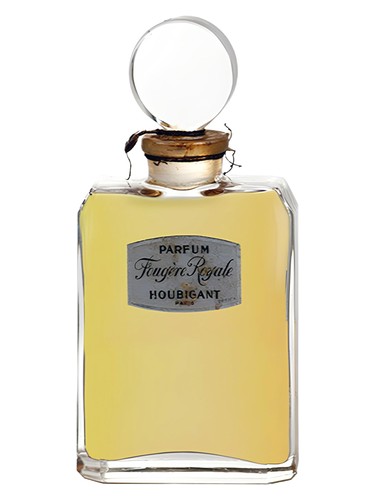
Fougere Royale
Seu armário
Entre para dizer que você tem, já testou ou quer este perfume. Suas marcações ficam privadas por padrão.
Criar conta é grátis e leva menos de um minuto.
Acordes dominantes
- aromático
- baunilha
- especiado fresco
- floral
- lavanda
- doce
Pirâmide olfativa
Saída
O primeiro impacto, nos primeiros 15 minutos.
Coração
A personalidade do perfume, por algumas horas.
Fundo
O rastro que fica na pele até o fim do dia.
Como ele se comporta
Fixação, projeção e ocasião — votos da comunidade internacional somados aos daqui.
Gênero
2 votos
Quando usar
- Inverno: 1 voto
- Primavera: 1 voto
- Verão: 1 voto
- Outono: 1 voto
- Dia: 1 voto
- Noite: 1 voto
Onde encontrar
Nenhum decant à venda nem vaquinha aberta agora. Marque Quero ali em cima — é o interesse da comunidade que puxa a próxima vaquinha.
Ver vaquinhas abertasQuem gosta deste também gosta
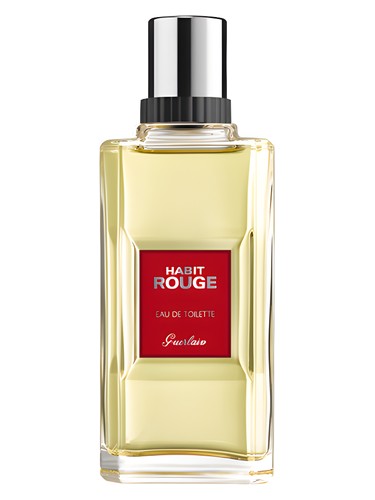
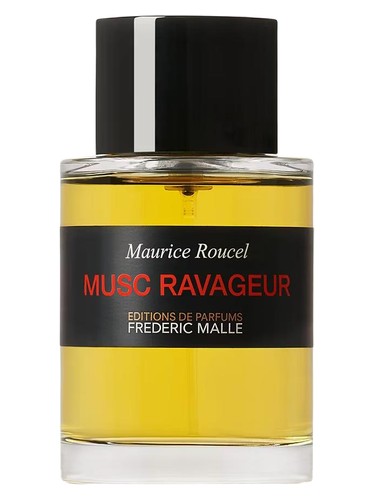
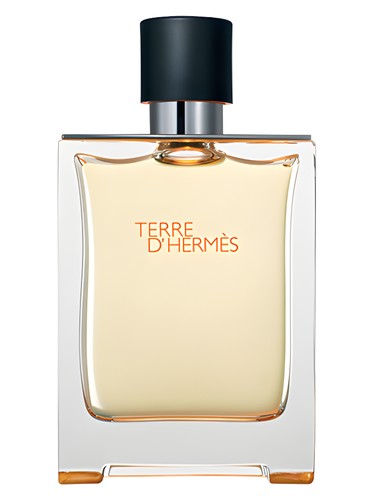
Perfumes próximos no gosto de quem curte este — bons candidatos para o próximo decant.
Impressões da comunidade internacional
Traduções chegam aos poucos — textos em inglês por enquanto.
- em inglês
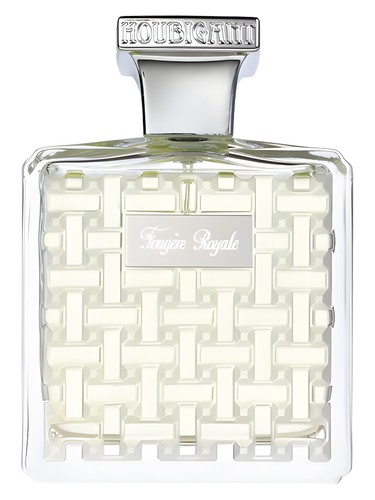
Based on my evaluation of the reconstructed sample of Fougère Royale (1882) by Houbigant from the Osmothèque of Versailles, I can confirm that it has absolutely nothing in common with the modern version of Fougère Royale (2010) created by Rodrigo Flores-Roux. The original Fougère Royale by perfumer Paul Parquet smells almost identical to Wild Fern by Geo F. Trumper (1877), which is still in production, as well as to English Fern by Penhaligon’s (1890), which was discontinued about ten years ago. At the same time, it is easy to notice that Wild Fern by Geo F. Trumper (1877) predates Fougère Royale (1882). This suggests that the British were the first to release this olfactory profile, while the French at Houbigant likely took inspiration from it and issued their own version, changing the name from “Wild Fern” to “Royal Fern” to add a touch of luxury. Their version gained wider recognition and eventually became famous as the progenitor of the entire fougère family. That's my conclusion. Fougère Royale smells like green, aldehidic soap. Here bright greenery is combined with soapy aldehydes. I would not immediately describe it as lavender-forward. The dominant impression is green. In second place comes a soapy cleanliness, as if you were inhaling the scent of vintage handmade soap made with lavender and geranium essential oils. There is a subtle clove nuance. In the base, it becomes slightly powdery, revealing a sweetish, marzipan-like golden powder that softens the otherwise cool, strict, and rather austere profile. There is also a very faint medicinal nuance, reminiscent of Tiger Balm or similar products, which adds a certain piquancy. In the deep base, a sense of natural metallicity emerges - that faint, slightly acidic metallic note that can be detected in lavender, oakmoss absolute, and even in marzipan and tonka beans (this metallic facet of tonka is accentuated with modern aquatic notes in Allure Homme Sport by Chanel). As a result, the base smells like soapy green freshness with a delicate, ringing metallic nuance, almost aldehydic - like a taut, vibrating string. This effect gives “Royal Fern” its composure and masculine character. Longevity is very high - it lasts a couple of days on a blotter. What are the differences from Wild Fern by Geo F. Trumper and Fougère Royale? To my nose, none, except that Fougère Royale is perhaps a few percent sweeter and slightly more marzipan-powdery. Otherwise, my nose detected no difference. Conclusion: anyone interested in experiencing the authentic scent of Fougère Royale should seek out Wild Fern (English Fern is much harder to find now, as it has been discontinued). There is no real point in exploring the 2010 reinterpretation of Fougère Royale by Rodrigo Flores-Roux - it smells modern and rather molecular. It is somewhat reminiscent of Masculin Pluriel by Maison Francis Kurkdjian: both are saturated with ambroxan and other molecular constructions. These tend to smell dull, lifeless, and monotonous, and as a result, quickly become tiresome to me. The original Fougère Royale, by contrast, has a refreshing effect due to its slight acidity. Its scent genuinely resembles the smell of a fern - those who have transplanted ferns know that these plants do have a noticeable aroma when handled. Fougère Royale (as well as Wild Fern and English Fern) has an addictive quality: the brain memorizes the scent and craves it again. I do not find any resemblance to Pour Homme by Paco Rabanne, which is often cited as a close descendant of Fougère Royale - it is much more powerful and rougher, darker in character, with an almost brutal soapiness. It also features a distinct animalic note reminiscent of Kouros by YSL, which is completely absent in Houbigant’s composition. I also see little similarity with Eternity by Calvin Klein, despite frequent comparisons - it is built around modern dihydromyrcenol (like Green Irish Tweed by Creed and Cool Water by Davidoff). Platinum Egoiste is also different: it relies on dihydromyrcenol, has less sweetness, and feels more “blue” than green. The only fragrance currently in production (besides Wild Fern) that somewhat echoes Fougère Royale to me is Armani Pour Homme, though it is less refined, simpler, more basil- and nutmeg-driven, less aldehydic-soapy, and overall darker. If you mentally remove the nutmeg and add fine aldehydes, you can vaguely detect traces of Fougère Royale’s base. Therefore, the only true living relative, almost identical to Fougère Royale today, is Wild Fern by Geo F. Trumper.
- em inglês
I have sampled two versions of vintage Fougere Royale. One is I guess an eau de cologne version from the 80s or so under the name "Houparco" (and "Royal Fern" for that matter, so presumably US distribution), and one is an aftershave with a green bakelite cap. Both essentially smell like they contain the same components, but in slightly different calibrations. The newer one is sharper in the bergamot and geranium. The older one, which I prefer, is sweeter and feels more like a lovely use of coumarin shaped and styled with the other fougere elements--geranium, lavender, bergamot, oakmoss. Coumarin by itself definitely can have a doughy, thick feeling to it and lose some of its "dried grass" texture when in isolation. The way it is sculpted in the older bottle I have, it maintains all of its fresh, grassiness. It definitely feels like an elemental "chord" in perfumery and it's interesting to see it all by itself and realize how it has been played with throughout the decades in various ways. Since it's not a super era-specific scent (i.e. the 80's, super fresh metallic fougeres or 70's intensely leathery, aromatic fougeres), it actually feels quite timeless. I'd love to smell what it's like in parfum, but the after shave actually lasts a pretty long time as a skin scent--longer even than the 80's version Houparco eau de cologne.
- em inglês
Recently I had a pleasure of sampling a reconstruction, ancient formula contemporary ingredients, of 1882 Fougere Royale. It was fabulous. None of that chest-hair sprouting, testosterone affirming, sea life decaying or, God help us all, diabetes inducing nonsense. It was a wilderness inspired exquisite concoction for men and women. Barely contained in the bottle. Something that I could never became tired of. I finaly understood, fougere is not about cut grass or lavender, it's about untamed wilderness. About freedom.
- em inglês
@realfrags you nailed it brotha. Pure masculine nothing unisex. Toxic masculinity gets us no thumbs up and that's perfect!
- em inglês
Absolutely lovely fragrance. Lavender makes you calm. However, I would not wear it in public. It has signs of age on his stick and smells musty maybe for one or the other. Old school.
Resenhas da comunidade
0 comentáriosEntre na sua conta para comentar e resenhar.
EntrarAinda ninguém resenhou este perfume
Seja a primeira pessoa a contar como ele se comporta na pele: projeção, fixação e a ocasião certa.
Encontrou um erro ou falta informação? A comunidade melhora o catálogo junto.